

How does the laser pulse width affect the welding of a metal laser welding machine?
Nov 09, 2026
As a leading supplier of Laser Welding Machine For Metal, I've witnessed firsthand the transformative power of laser technology in the metal processing industry. One of the critical factors that significantly influence the performance of a metal laser welding machine is the laser pulse width. In this blog post, I'll delve into how the laser pulse width affects the welding process, the quality of the weld, and the overall efficiency of the machine.
Understanding Laser Pulse Width
Before we explore its effects, let's first understand what laser pulse width is. In a laser welding machine, the laser beam is not always continuous. Instead, it can be emitted in short bursts or pulses. The pulse width refers to the duration of each individual pulse of the laser beam, typically measured in milliseconds (ms), microseconds (μs), or even nanoseconds (ns).
The ability to control the pulse width gives operators a high degree of flexibility in adjusting the welding process to suit different materials, thicknesses, and welding requirements. Different pulse widths can induce disparate heat - transfer mechanisms and energy - deposition patterns within the metal, leading to variations in the weld's quality and characteristics.
Effects of Laser Pulse Width on Welding Penetration
Welding penetration is a key factor in determining the strength and integrity of a weld. It refers to the depth to which the laser energy melts the metal. The laser pulse width has a direct impact on welding penetration.
-
Long Pulse Width: When using a long - pulse laser (in the millisecond range), the laser beam delivers energy to the metal over an extended period. This allows the heat to penetrate deeper into the material, resulting in greater welding penetration. Long - pulse lasers are ideal for welding thick metal sheets or when a deep weld is required. For example, in the construction of heavy - duty metal structures, a long - pulse laser can ensure that the welds are strong enough to withstand significant mechanical stress. However, longer pulse widths also mean more heat is transferred to the surrounding area, which can lead to a larger heat - affected zone (HAZ) and potential distortion of the metal.
-
Short Pulse Width: Short - pulse lasers, with pulse widths in the microsecond or nanosecond range, deliver a high - energy burst of laser light in a very short time. The energy is concentrated at the surface of the metal, and the heat doesn't have enough time to spread deep into the material. As a result, short - pulse lasers typically achieve shallower penetration. They are often used for welding thin metal sheets or for applications where a precise, minimal - intrusion weld is needed, such as in the electronics industry for welding delicate components. The smaller HAZ associated with short - pulse lasers reduces the risk of thermal damage to the surrounding material and maintains the structural integrity of the workpiece.
Impact on Weld Quality
The quality of a weld is determined by several factors, including its appearance, strength, and resistance to defects such as porosity, cracks, and spattering. The laser pulse width plays a crucial role in each of these aspects.
- Appearance: A carefully selected pulse width can significantly impact the aesthetic quality of the weld. For example, short - pulse lasers tend to create cleaner, more precise welds with less spatter. This is because the rapid energy input and minimal heat diffusion limit the chance of melting and expelling of excess metal, resulting in a smoother surface finish. On the other hand, long - pulse lasers may produce welds with a more rough appearance due to the larger heat - affected zone and potential for more significant metal movement during the welding process.
- Strength: The strength of a weld is closely related to its microstructure. A proper pulse width can ensure a uniform and fine - grained microstructure in the weld area, which enhances the weld's strength. For instance, in some high - strength steel welding applications, a specific short - pulse width may be used to create a rapid solidification process, leading to a stronger and more ductile weld. If the pulse width is too long or too short, it can cause the formation of undesirable microstructures, such as large grains or brittle phases, which can weaken the weld.
- Defect Formation: Controlling the pulse width is essential to minimize the occurrence of welding defects. Long - pulse lasers may cause excessive melting and vaporization of the metal, leading to the formation of porosity (tiny holes) in the weld. This is because the vaporized metal can get trapped in the molten pool as it solidifies. Short - pulse lasers, when properly regulated, can reduce the likelihood of porosity by limiting the amount of metal vaporization. Additionally, short - pulse lasers can also reduce the risk of cracking, especially in materials that are prone to thermal stress, by minimizing the heat - affected zone.
Efficiency and Productivity
The choice of laser pulse width also affects the efficiency and productivity of the welding process.
- Welding Speed: Short - pulse lasers can operate at higher frequencies, which means they can deliver more pulses per unit time. This often translates into faster welding speeds, especially when welding thin materials. For example, in mass - production scenarios where high - speed welding of thin metal sheets is required, short - pulse lasers can significantly increase the throughput of the manufacturing process. Long - pulse lasers, while capable of deeper penetration, may require slower welding speeds to ensure proper heat transfer and avoid overheating the material.
- Energy Consumption: The energy efficiency of a laser welding operation is another important consideration. Short - pulse lasers typically consume less energy per pulse because they deliver a concentrated burst of energy in a short time. This can lead to lower overall energy consumption, reducing the operating costs of the welding machine. Long - pulse lasers, however, may require more energy to maintain the extended pulse duration, especially when welding thick materials.
Our Laser Welding Machines and Pulse Width Control
At our company, we offer a wide range of metal laser welding machines that provide precise control over the laser pulse width. This allows our customers to optimize the welding process for their specific needs.
- Handheld 2000W Laser Welding Machine For Metal: This high - power handheld machine is suitable for a variety of metal welding applications. With adjustable pulse width settings, it can be used for both deep penetration welding of thick metals and high - precision welding of thin materials.
- Handheld 500W 800W Mini Laser Welding Machine: Ideal for small - scale projects or situations where portability is crucial, these mini laser welding machines offer fine - tuned pulse width control. They are perfect for delicate welding tasks that require a high level of precision with minimal heat input.
- 1500w 2000w 3000w Fiber Laser Welding Machine 4 in 1 Laser Welder: These fiber laser welding machines are designed for high - performance and high - efficiency welding. The adjustable pulse width feature enables operators to customize the welding process according to different metal types and thicknesses, ensuring optimal weld quality.
- 1500W Mini Air Cooling Laser Welding Machine: Compact and energy - efficient, this air - cooled welding machine offers excellent control over the laser pulse width. It is suitable for a wide range of industrial welding applications, providing a cost - effective solution for businesses.
- Handheld Air - cooling Laser Welder 800W 1200W 1500W: These handheld air - cooled laser welders are easy to operate and offer flexible pulse width adjustment. They are well - suited for on - site welding jobs and small - to - medium - sized manufacturing operations.
Conclusion
The laser pulse width is a critical parameter in metal laser welding that significantly affects the welding penetration, weld quality, efficiency, and productivity of the process. By understanding how different pulse widths interact with various metal materials and welding requirements, operators can make informed decisions to achieve the best possible welding results.
As a supplier of Laser Welding Machine For Metal, we are dedicated to providing our customers with high - quality machines that offer precise control over the laser pulse width. Whether you are looking for a handheld machine for small - scale projects or a high - power industrial - grade welder, our products are designed to meet your specific needs.
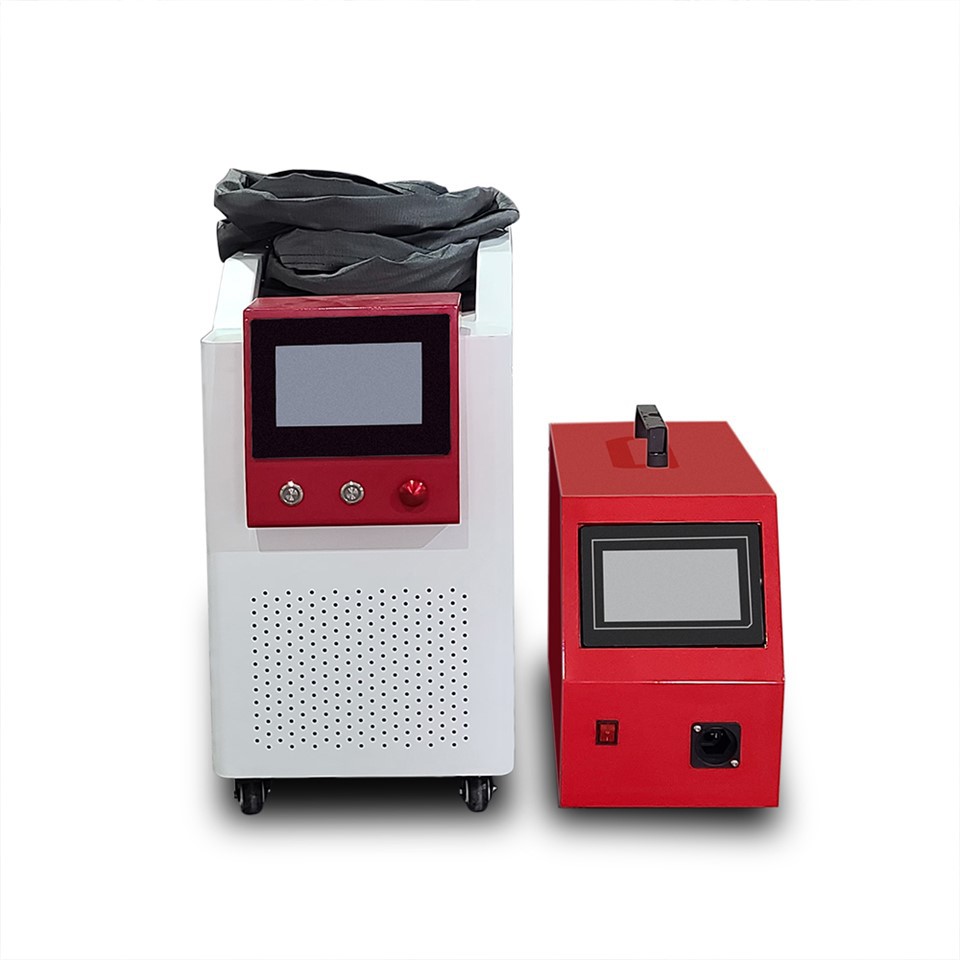

If you are interested in learning more about our metal laser welding machines or need advice on choosing the right machine for your application, please feel free to contact us. We are here to assist you in making the most of your metal welding operations.
References
- Steen, W. M., & Mazumder, J. (2010). Laser Material Processing. Springer Science & Business Media.
- Chen, X., & Wang, Y. (2018). Influence of laser pulse parameters on the welding quality of thin - walled stainless steel. Journal of Materials Processing Technology, 257, 123 - 130.
- Li, Z., et al. (2019). Effects of pulse width on the characteristics of laser - welded joints of magnesium alloy. Transactions of Nonferrous Metals Society of China, 29(9), 1943 - 1952.