Laser Marking Application by Laser Type
Oct 26, 2026
Classification by Laser Type
for laser marking machines
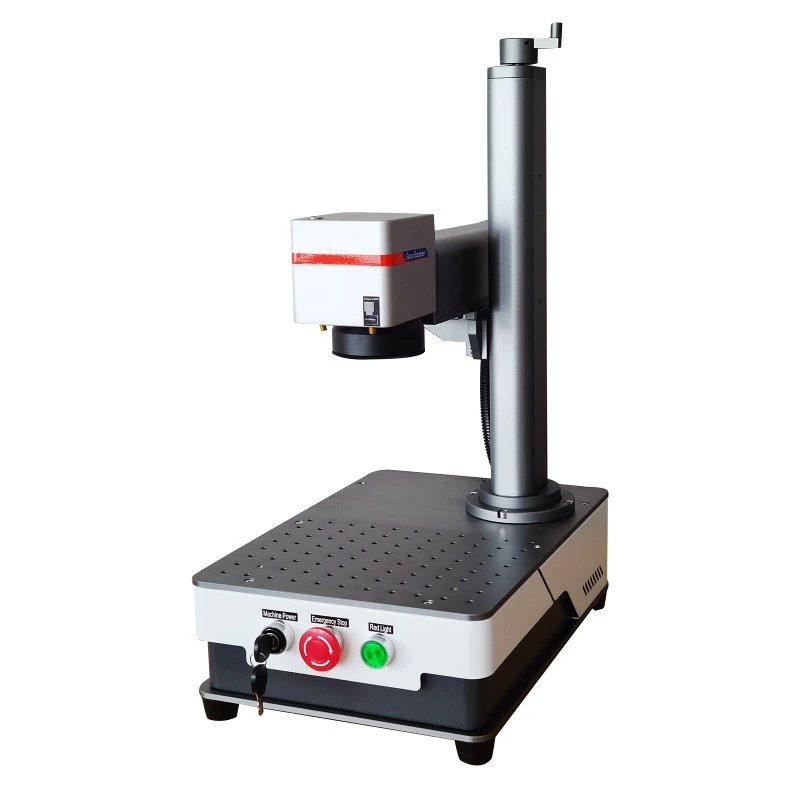
Fiber Laser Marking Machines
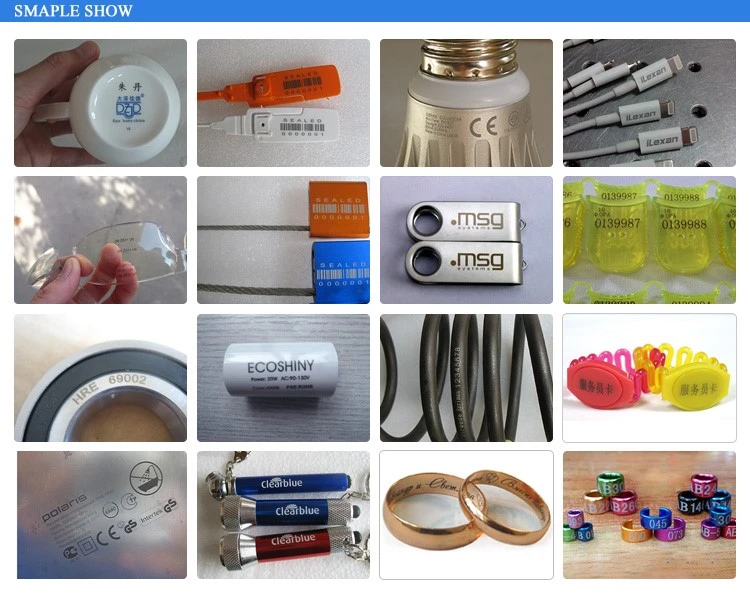
These use a fiber laser (typically 1064 nm wavelength) and are the workhorse for marking metals. They are known for high electro-optical efficiency, excellent beam quality, and long service life (up to 100,000 hours) . They are ideal for marking stainless steel, aluminum, copper, titanium, and other alloys, as well as some plastics. Common applications include serial numbers, barcodes, QR codes, and Data Matrix codes for traceability in automotive, aerospace, and general manufacturing .
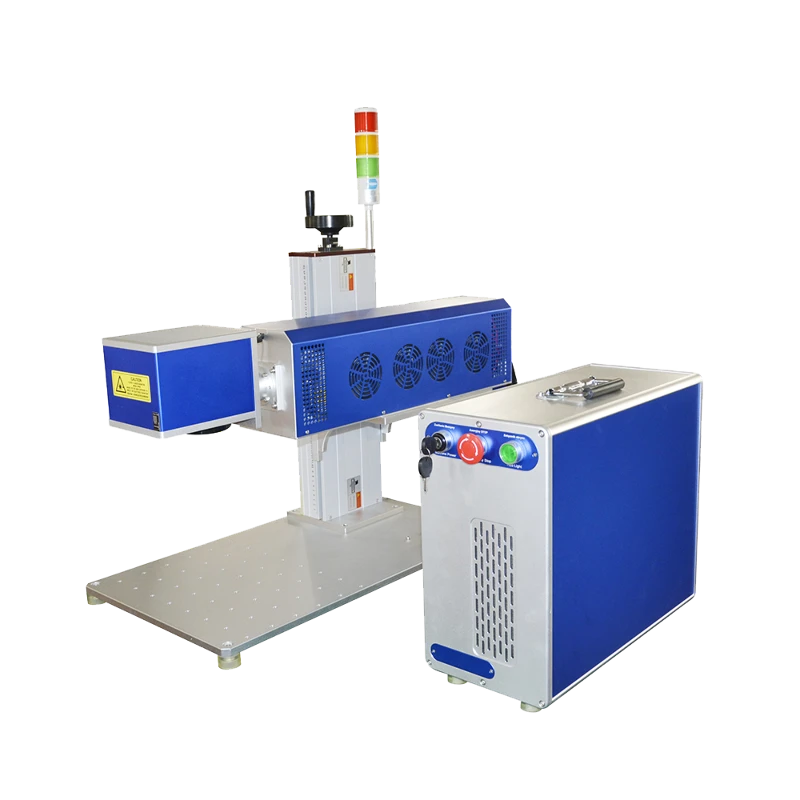
CO₂ Laser Marking Machines
CO₂ lasers operate at a far-infrared wavelength of 10.6 μm and are best suited for non-metallic and organic materials . They are widely used for marking on glass, acrylic, wood, paper, cardboard, leather, and certain plastics. Typical applications are date codes and lot numbers on food and beverage packaging, as well as marking on electronic components and craft items . They are available in various power levels and can achieve very high line speeds on production lines .
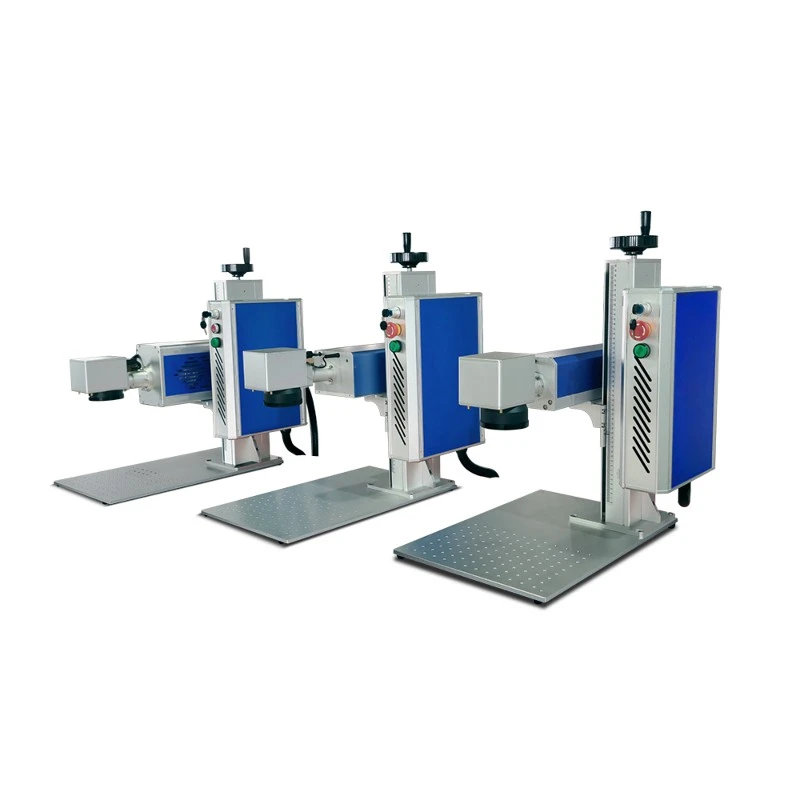
UV Laser Marking Machines
UV lasers (typically 355 nm) use a "cold processing" mechanism. Their high-energy photons break chemical bonds in materials rather than relying on heat, which minimizes thermal damage to the surrounding area . This makes them ideal for heat-sensitive materials such as delicate plastics (e.g., HDPE, LDPE, PP), glass, and ceramics, as well as for high-precision marking on electronics like PCBs . They are commonly used in medical devices, cosmetics, and pharmaceutical packaging where substrate integrity is critical.
Application Methods by Laser Type
Different laser types serve different material and marking requirements:
| Laser Type |
|
Typical Applications | |
| Fiber Laser | Metals (stainless steel, aluminum, copper), some plastics | General metal part marking. | |
| CO₂ Laser | Organic/non-metallic materials: wood, glass, acrylic, paper, leather, cardboard | Packaging date codes, marking on natural materials, frosted marks on glass. | |
| UV Laser | Heat-sensitive plastics, glass, ceramics, electronics | PCB marking, precision marking on delicate components with minimal thermal damage. |